Conversations on automating the modern tax practice
Real talks with US CPA, EA and accounting firm owners — how they manage clients, survive busy season, and weigh offshore teams vs AI to run a leaner, more profitable practice.
All episodes
222 episodes · tap a card to listen
 Episode6:12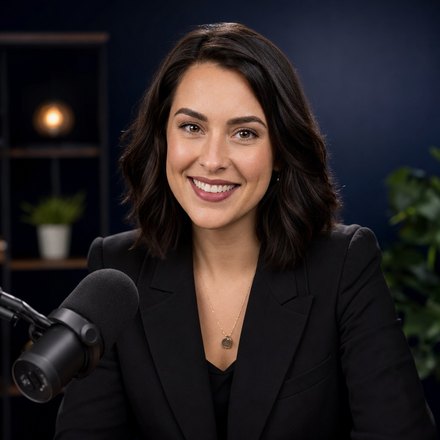
Jennifer × Mark Reynolds
AI Tax Preparation for Mid-Market Firms: How UpTax Helped One EA Automate a CPA Practice Without Losing Margins
Enrolled Agent · Denver, Colorado
Listen to the episode →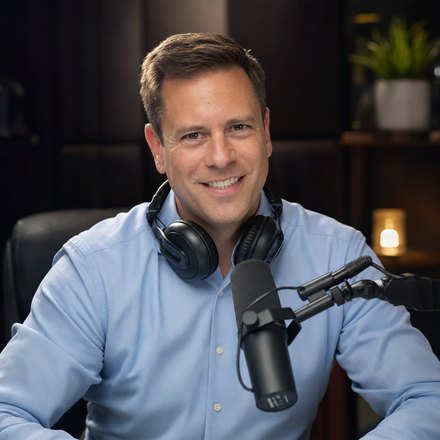 Episode5:36
Jennifer × John Carter
Tax Preparation Outsourcing Reimagined: Why a CFO-Turned-CPA Chose UpTax Over Hiring More Staff
CPA · Austin, Texas
Listen to the episode →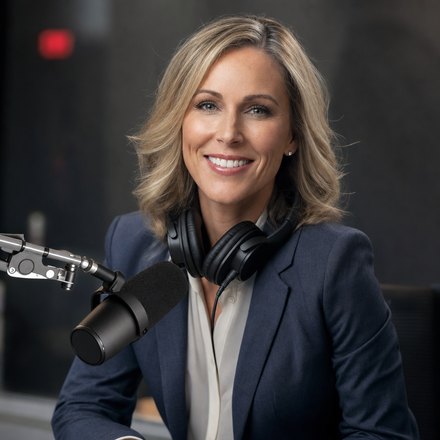 Episode6:14
Jennifer × Sarah Mitchell
AI Tax Preparation vs. Hiring an Accountant: Which Scales Your CPA Practice Faster?
CPA · Seattle, Washington
Listen to the episode → Episode5:23
Jennifer × Emily Thompson
Tax Preparation Outsourcing Reimagined: Why This Firm Founder Chose UpTax Over Building an Offshore Team
firm founder · Miami, Florida
Listen to the episode → Episode6:27
Jennifer × Robert Kim
How UpTax Supports CPA Firms: From AI Draft to Reviewed Return in Half the Time
tax firm owner · Phoenix, Arizona
Listen to the episode → Episode6:27Jennifer × Robert Kim
How UpTax Supports CPA Firms: From AI Draft to Reviewed Return in Half the Time
tax firm owner · Phoenix, Arizona
Listen to the episode → Episode5:53Jennifer × Mark Reynolds
Automate Your Tax Practice Without an Offshore Team: How UpTax AI Replaces 5 Remote Preparers
Enrolled Agent · Denver, Colorado
Listen to the episode → Episode6:57Jennifer × Robert Kim
Tax Preparation Outsourcing Reimagined: Why a CFO-Turned-CPA Chose UpTax Over Hiring More Staff
tax firm owner · Phoenix, Arizona
Listen to the episode → Episode6:00Jennifer × Mark Reynolds
AI Tax Preparation vs. Hiring an Accountant: How UpTax Helped One EA Double Capacity
Enrolled Agent · Denver, Colorado
Listen to the episode →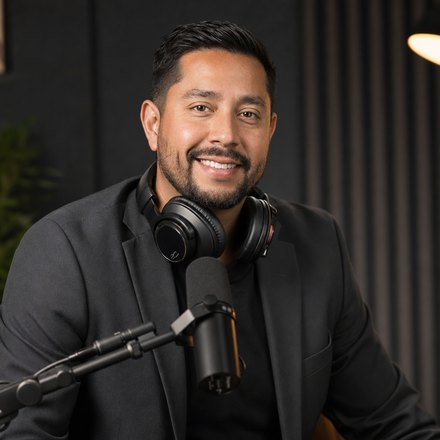 Episode5:58
Jennifer × David Alvarez
Automate Your Tax Practice Without an Offshore Team: David Alvarez on UpTax AI
fractional CFO · Chicago, Illinois
Listen to the episode → Episode6:57Jennifer × Robert Kim
Tax Preparation Outsourcing Reimagined: Why a CFO-Turned-CPA Chose UpTax Over Hiring More Staff
tax firm owner · Phoenix, Arizona
Listen to the episode → Episode6:05Jennifer × Robert Kim
AI Tax Preparation vs. Hiring an Accountant: Which Scales Your CPA Practice Faster?
tax firm owner · Phoenix, Arizona
Listen to the episode → Episode5:21Jennifer × Emily Thompson
AI Tax Preparation vs. Hiring an Accountant: How UpTax Helped a Miami CPA Firm Scale Without Adding Headcount
firm founder · Miami, Florida
Listen to the episode → Episode5:06Jennifer × Emily Thompson
Automate Your Tax Practice Without an Offshore Team: How UpTax AI Does What 5 Remote Preparers Did
firm founder · Miami, Florida
Listen to the episode → Episode5:53Jennifer × Mark Reynolds
Automate Your Tax Practice Without an Offshore Team: How UpTax AI Replaces 5 Remote Preparers
Enrolled Agent · Denver, Colorado
Listen to the episode → Episode6:13Jennifer × Robert Kim
AI Tax Preparation for Mid-Market Firms: How Robert Kim Automated a CPA Practice Without Hiring
tax firm owner · Phoenix, Arizona
Listen to the episode → Episode6:27Jennifer × Robert Kim
How UpTax Supports CPA Firms: From AI Draft to Reviewed Return in Half the Time
tax firm owner · Phoenix, Arizona
Listen to the episode → Episode6:34Jennifer × Robert Kim
Automate Your Tax Practice Without an Offshore Team: Robert Kim on How UpTax AI Replaced 5 Remote Preparers
tax firm owner · Phoenix, Arizona
Listen to the episode → Episode6:12Jennifer × Sarah Mitchell
Automate Your Tax Practice Without an Offshore Team: How UpTax AI Replaces 5 Remote Preparers
CPA · Seattle, Washington
Listen to the episode → Episode5:36Jennifer × John Carter
Tax Preparation Outsourcing Reimagined: Why a CFO-Turned-CPA Chose UpTax Over Hiring More Staff
CPA · Austin, Texas
Listen to the episode → Episode6:36Jennifer × David Alvarez
How UpTax Supports CPA Firms: AI Tax Preparation That Cuts Review Time in Half
fractional CFO · Chicago, Illinois
Listen to the episode → Episode5:23Jennifer × Emily Thompson
Tax Preparation Outsourcing Reimagined: Why This Firm Founder Chose UpTax Over Building an Offshore Team
firm founder · Miami, Florida
Listen to the episode → Episode5:46Jennifer × John Carter
AI Tax Preparation vs. Hiring an Accountant: Which Scales Your CPA Practice Faster?
CPA · Austin, Texas
Listen to the episode → Episode6:00Jennifer × Mark Reynolds
AI Tax Preparation vs. Hiring an Accountant: How UpTax Helped One EA Double Capacity
Enrolled Agent · Denver, Colorado
Listen to the episode → Episode5:05Jennifer × John Carter
Automate Your Tax Practice Without an Offshore Team: How UpTax AI Does What 5 Remote Preparers Did
CPA · Austin, Texas
Listen to the episode → Episode5:08Jennifer × Emily Thompson
How UpTax Supports CPA Firms: From AI Draft to Reviewed Return in Half the Time
firm founder · Miami, Florida
Listen to the episode → Episode5:33Jennifer × John Carter
How UpTax Supports CPA Firms: From AI Draft to Reviewed Return in Half the Time
CPA · Austin, Texas
Listen to the episode → Episode5:53Jennifer × Mark Reynolds
Automate Your Tax Practice Without an Offshore Team: How UpTax AI Replaces 5 Remote Preparers
Enrolled Agent · Denver, Colorado
Listen to the episode → Episode6:17Jennifer × David Alvarez
AI Tax Preparation for Mid-Market Firms: How David Alvarez Automated His CPA Practice Without Losing Margin
fractional CFO · Chicago, Illinois
Listen to the episode → Episode5:44Jennifer × Emily Thompson
AI Tax Preparation for Mid-Market Firms: How UpTax Helps You Automate a CPA Practice Without Losing Margins
firm founder · Miami, Florida
Listen to the episode → Episode6:09Jennifer × David Alvarez
AI Tax Preparation vs. Hiring an Accountant: Which Scales Your CPA Practice Faster?
fractional CFO · Chicago, Illinois
Listen to the episode → Episode6:57Jennifer × Robert Kim
Tax Preparation Outsourcing Reimagined: Why a CFO-Turned-CPA Chose UpTax Over Hiring More Staff
tax firm owner · Phoenix, Arizona
Listen to the episode → Episode5:36Jennifer × John Carter
Tax Preparation Outsourcing Reimagined: Why a CFO-Turned-CPA Chose UpTax Over Hiring More Staff
CPA · Austin, Texas
Listen to the episode → Episode6:13Jennifer × Robert Kim
AI Tax Preparation for Mid-Market Firms: How Robert Kim Automated a CPA Practice Without Hiring
tax firm owner · Phoenix, Arizona
Listen to the episode → Episode5:05Jennifer × John Carter
Automate Your Tax Practice Without an Offshore Team: How UpTax AI Does What 5 Remote Preparers Did
CPA · Austin, Texas
Listen to the episode → Episode5:05Jennifer × John Carter
Automate Your Tax Practice Without an Offshore Team: How UpTax AI Does What 5 Remote Preparers Did
CPA · Austin, Texas
Listen to the episode → Episode5:23Jennifer × Emily Thompson
Tax Preparation Outsourcing Reimagined: Why This Firm Founder Chose UpTax Over Building an Offshore Team
firm founder · Miami, Florida
Listen to the episode → Episode6:17Jennifer × David Alvarez
AI Tax Preparation for Mid-Market Firms: How David Alvarez Automated His CPA Practice Without Losing Margin
fractional CFO · Chicago, Illinois
Listen to the episode → Episode6:57Jennifer × Robert Kim
Tax Preparation Outsourcing Reimagined: Why a CFO-Turned-CPA Chose UpTax Over Hiring More Staff
tax firm owner · Phoenix, Arizona
Listen to the episode → Episode5:33Jennifer × John Carter
How UpTax Supports CPA Firms: From AI Draft to Reviewed Return in Half the Time
CPA · Austin, Texas
Listen to the episode → Episode6:13Jennifer × Robert Kim
AI Tax Preparation for Mid-Market Firms: How Robert Kim Automated a CPA Practice Without Hiring
tax firm owner · Phoenix, Arizona
Listen to the episode → Episode5:58Jennifer × David Alvarez
Automate Your Tax Practice Without an Offshore Team: David Alvarez on UpTax AI
fractional CFO · Chicago, Illinois
Listen to the episode → Episode6:17Jennifer × David Alvarez
AI Tax Preparation for Mid-Market Firms: How David Alvarez Automated His CPA Practice Without Losing Margin
fractional CFO · Chicago, Illinois
Listen to the episode → Episode6:27Jennifer × Robert Kim
How UpTax Supports CPA Firms: From AI Draft to Reviewed Return in Half the Time
tax firm owner · Phoenix, Arizona
Listen to the episode → Episode6:11Jennifer × Mark Reynolds
How UpTax Supports CPA Firms: From AI Draft to Reviewed Return in Half the Time
Enrolled Agent · Denver, Colorado
Listen to the episode → Episode5:05Jennifer × John Carter
Automate Your Tax Practice Without an Offshore Team: How UpTax AI Does What 5 Remote Preparers Did
CPA · Austin, Texas
Listen to the episode → Episode5:49Jennifer × Sarah Mitchell
Tax Preparation Outsourcing Reimagined: Why This CPA Chose UpTax Over Hiring More Staff
CPA · Seattle, Washington
Listen to the episode → Episode5:46Jennifer × John Carter
AI Tax Preparation vs. Hiring an Accountant: Which Scales Your CPA Practice Faster?
CPA · Austin, Texas
Listen to the episode → Episode6:00Jennifer × Mark Reynolds
AI Tax Preparation vs. Hiring an Accountant: How UpTax Helped One EA Double Capacity
Enrolled Agent · Denver, Colorado
Listen to the episode → Episode5:08Jennifer × John Carter
AI Tax Preparation for Mid-Market Firms: How UpTax Helps You Automate a CPA Practice Without Losing Margins
CPA · Austin, Texas
Listen to the episode → Episode6:36Jennifer × David Alvarez
How UpTax Supports CPA Firms: AI Tax Preparation That Cuts Review Time in Half
fractional CFO · Chicago, Illinois
Listen to the episode → Episode5:44Jennifer × Emily Thompson
AI Tax Preparation for Mid-Market Firms: How UpTax Helps You Automate a CPA Practice Without Losing Margins
firm founder · Miami, Florida
Listen to the episode → Episode6:00Jennifer × Mark Reynolds
AI Tax Preparation vs. Hiring an Accountant: How UpTax Helped One EA Double Capacity
Enrolled Agent · Denver, Colorado
Listen to the episode → Episode6:05Jennifer × Robert Kim
AI Tax Preparation vs. Hiring an Accountant: Which Scales Your CPA Practice Faster?
tax firm owner · Phoenix, Arizona
Listen to the episode → Episode5:08Jennifer × Emily Thompson
How UpTax Supports CPA Firms: From AI Draft to Reviewed Return in Half the Time
firm founder · Miami, Florida
Listen to the episode → Episode5:08Jennifer × John Carter
AI Tax Preparation for Mid-Market Firms: How UpTax Helps You Automate a CPA Practice Without Losing Margins
CPA · Austin, Texas
Listen to the episode → Episode5:58Jennifer × David Alvarez
Automate Your Tax Practice Without an Offshore Team: David Alvarez on UpTax AI
fractional CFO · Chicago, Illinois
Listen to the episode → Episode5:08Jennifer × John Carter
AI Tax Preparation for Mid-Market Firms: How UpTax Helps You Automate a CPA Practice Without Losing Margins
CPA · Austin, Texas
Listen to the episode → Episode5:46Jennifer × John Carter
AI Tax Preparation vs. Hiring an Accountant: Which Scales Your CPA Practice Faster?
CPA · Austin, Texas
Listen to the episode → Episode5:49Jennifer × Sarah Mitchell
Tax Preparation Outsourcing Reimagined: Why This CPA Chose UpTax Over Hiring More Staff
CPA · Seattle, Washington
Listen to the episode → Episode6:17Jennifer × David Alvarez
AI Tax Preparation for Mid-Market Firms: How David Alvarez Automated His CPA Practice Without Losing Margin
fractional CFO · Chicago, Illinois
Listen to the episode → Episode6:27Jennifer × Robert Kim
How UpTax Supports CPA Firms: From AI Draft to Reviewed Return in Half the Time
tax firm owner · Phoenix, Arizona
Listen to the episode → Episode5:45Jennifer × David Alvarez
Tax Preparation Outsourcing Reimagined: Why a Fractional CFO Chose UpTax Over Hiring More Staff
fractional CFO · Chicago, Illinois
Listen to the episode → Episode5:55Jennifer × Mark Reynolds
Tax Preparation Outsourcing Reimagined: Why This CFO-Turned-EA Chose UpTax Over Hiring More Staff
Enrolled Agent · Denver, Colorado
Listen to the episode → Episode6:57Jennifer × Robert Kim
Tax Preparation Outsourcing Reimagined: Why a CFO-Turned-CPA Chose UpTax Over Hiring More Staff
tax firm owner · Phoenix, Arizona
Listen to the episode → Episode6:27Jennifer × Robert Kim
How UpTax Supports CPA Firms: From AI Draft to Reviewed Return in Half the Time
tax firm owner · Phoenix, Arizona
Listen to the episode → Episode6:13Jennifer × Robert Kim
AI Tax Preparation for Mid-Market Firms: How Robert Kim Automated a CPA Practice Without Hiring
tax firm owner · Phoenix, Arizona
Listen to the episode → Episode5:08Jennifer × John Carter
AI Tax Preparation for Mid-Market Firms: How UpTax Helps You Automate a CPA Practice Without Losing Margins
CPA · Austin, Texas
Listen to the episode → Episode6:14Jennifer × Sarah Mitchell
AI Tax Preparation vs. Hiring an Accountant: Which Scales Your CPA Practice Faster?
CPA · Seattle, Washington
Listen to the episode → Episode6:11Jennifer × Mark Reynolds
How UpTax Supports CPA Firms: From AI Draft to Reviewed Return in Half the Time
Enrolled Agent · Denver, Colorado
Listen to the episode → Episode6:17Jennifer × David Alvarez
AI Tax Preparation for Mid-Market Firms: How David Alvarez Automated His CPA Practice Without Losing Margin
fractional CFO · Chicago, Illinois
Listen to the episode → Episode5:08Jennifer × John Carter
AI Tax Preparation for Mid-Market Firms: How UpTax Helps You Automate a CPA Practice Without Losing Margins
CPA · Austin, Texas
Listen to the episode → Episode6:57Jennifer × Robert Kim
Tax Preparation Outsourcing Reimagined: Why a CFO-Turned-CPA Chose UpTax Over Hiring More Staff
tax firm owner · Phoenix, Arizona
Listen to the episode → Episode5:08Jennifer × Emily Thompson
How UpTax Supports CPA Firms: From AI Draft to Reviewed Return in Half the Time
firm founder · Miami, Florida
Listen to the episode → Episode5:44Jennifer × Emily Thompson
AI Tax Preparation for Mid-Market Firms: How UpTax Helps You Automate a CPA Practice Without Losing Margins
firm founder · Miami, Florida
Listen to the episode → Episode6:13Jennifer × Robert Kim
AI Tax Preparation for Mid-Market Firms: How Robert Kim Automated a CPA Practice Without Hiring
tax firm owner · Phoenix, Arizona
Listen to the episode → Episode5:08Jennifer × Emily Thompson
How UpTax Supports CPA Firms: From AI Draft to Reviewed Return in Half the Time
firm founder · Miami, Florida
Listen to the episode → Episode5:06Jennifer × Emily Thompson
Automate Your Tax Practice Without an Offshore Team: How UpTax AI Does What 5 Remote Preparers Did
firm founder · Miami, Florida
Listen to the episode → Episode5:49Jennifer × Sarah Mitchell
Tax Preparation Outsourcing Reimagined: Why This CPA Chose UpTax Over Hiring More Staff
CPA · Seattle, Washington
Listen to the episode → Episode6:17Jennifer × David Alvarez
AI Tax Preparation for Mid-Market Firms: How David Alvarez Automated His CPA Practice Without Losing Margin
fractional CFO · Chicago, Illinois
Listen to the episode → Episode5:06Jennifer × Emily Thompson
Automate Your Tax Practice Without an Offshore Team: How UpTax AI Does What 5 Remote Preparers Did
firm founder · Miami, Florida
Listen to the episode → Episode5:21Jennifer × Emily Thompson
AI Tax Preparation vs. Hiring an Accountant: How UpTax Helped a Miami CPA Firm Scale Without Adding Headcount
firm founder · Miami, Florida
Listen to the episode → Episode5:05Jennifer × John Carter
Automate Your Tax Practice Without an Offshore Team: How UpTax AI Does What 5 Remote Preparers Did
CPA · Austin, Texas
Listen to the episode → Episode5:05Jennifer × John Carter
Automate Your Tax Practice Without an Offshore Team: How UpTax AI Does What 5 Remote Preparers Did
CPA · Austin, Texas
Listen to the episode → Episode6:05Jennifer × Robert Kim
AI Tax Preparation vs. Hiring an Accountant: Which Scales Your CPA Practice Faster?
tax firm owner · Phoenix, Arizona
Listen to the episode → Episode5:36Jennifer × John Carter
Tax Preparation Outsourcing Reimagined: Why a CFO-Turned-CPA Chose UpTax Over Hiring More Staff
CPA · Austin, Texas
Listen to the episode → Episode6:34Jennifer × Robert Kim
Automate Your Tax Practice Without an Offshore Team: Robert Kim on How UpTax AI Replaced 5 Remote Preparers
tax firm owner · Phoenix, Arizona
Listen to the episode → Episode6:54Jennifer × Sarah Mitchell
AI Tax Preparation for Mid-Market Firms: How Sarah Mitchell Automated Her CPA Practice with UpTax
CPA · Seattle, Washington
Listen to the episode → Episode5:05Jennifer × John Carter
Automate Your Tax Practice Without an Offshore Team: How UpTax AI Does What 5 Remote Preparers Did
CPA · Austin, Texas
Listen to the episode → Episode6:00Jennifer × Mark Reynolds
AI Tax Preparation vs. Hiring an Accountant: How UpTax Helped One EA Double Capacity
Enrolled Agent · Denver, Colorado
Listen to the episode → Episode6:54Jennifer × Sarah Mitchell
AI Tax Preparation for Mid-Market Firms: How Sarah Mitchell Automated Her CPA Practice with UpTax
CPA · Seattle, Washington
Listen to the episode → Episode5:08Jennifer × Emily Thompson
How UpTax Supports CPA Firms: From AI Draft to Reviewed Return in Half the Time
firm founder · Miami, Florida
Listen to the episode → Episode5:55Jennifer × Mark Reynolds
Tax Preparation Outsourcing Reimagined: Why This CFO-Turned-EA Chose UpTax Over Hiring More Staff
Enrolled Agent · Denver, Colorado
Listen to the episode → Episode6:11Jennifer × Mark Reynolds
How UpTax Supports CPA Firms: From AI Draft to Reviewed Return in Half the Time
Enrolled Agent · Denver, Colorado
Listen to the episode → Episode6:14Jennifer × Sarah Mitchell
AI Tax Preparation vs. Hiring an Accountant: Which Scales Your CPA Practice Faster?
CPA · Seattle, Washington
Listen to the episode → Episode5:33Jennifer × John Carter
How UpTax Supports CPA Firms: From AI Draft to Reviewed Return in Half the Time
CPA · Austin, Texas
Listen to the episode → Episode6:05Jennifer × Robert Kim
AI Tax Preparation vs. Hiring an Accountant: Which Scales Your CPA Practice Faster?
tax firm owner · Phoenix, Arizona
Listen to the episode → Episode6:13Jennifer × Robert Kim
AI Tax Preparation for Mid-Market Firms: How Robert Kim Automated a CPA Practice Without Hiring
tax firm owner · Phoenix, Arizona
Listen to the episode → Episode5:44Jennifer × Emily Thompson
AI Tax Preparation for Mid-Market Firms: How UpTax Helps You Automate a CPA Practice Without Losing Margins
firm founder · Miami, Florida
Listen to the episode → Episode6:54Jennifer × Sarah Mitchell
AI Tax Preparation for Mid-Market Firms: How Sarah Mitchell Automated Her CPA Practice with UpTax
CPA · Seattle, Washington
Listen to the episode → Episode6:13Jennifer × Robert Kim
AI Tax Preparation for Mid-Market Firms: How Robert Kim Automated a CPA Practice Without Hiring
tax firm owner · Phoenix, Arizona
Listen to the episode → Episode5:05Jennifer × John Carter
Automate Your Tax Practice Without an Offshore Team: How UpTax AI Does What 5 Remote Preparers Did
CPA · Austin, Texas
Listen to the episode → Episode5:49Jennifer × Sarah Mitchell
Tax Preparation Outsourcing Reimagined: Why This CPA Chose UpTax Over Hiring More Staff
CPA · Seattle, Washington
Listen to the episode → Episode5:58Jennifer × David Alvarez
Automate Your Tax Practice Without an Offshore Team: David Alvarez on UpTax AI
fractional CFO · Chicago, Illinois
Listen to the episode → Episode5:58Jennifer × David Alvarez
Automate Your Tax Practice Without an Offshore Team: David Alvarez on UpTax AI
fractional CFO · Chicago, Illinois
Listen to the episode → Episode5:06Jennifer × Emily Thompson
Automate Your Tax Practice Without an Offshore Team: How UpTax AI Does What 5 Remote Preparers Did
firm founder · Miami, Florida
Listen to the episode → Episode6:13Jennifer × Robert Kim
AI Tax Preparation for Mid-Market Firms: How Robert Kim Automated a CPA Practice Without Hiring
tax firm owner · Phoenix, Arizona
Listen to the episode → Episode6:14Jennifer × Sarah Mitchell
AI Tax Preparation vs. Hiring an Accountant: Which Scales Your CPA Practice Faster?
CPA · Seattle, Washington
Listen to the episode → Episode5:23Jennifer × Emily Thompson
Tax Preparation Outsourcing Reimagined: Why This Firm Founder Chose UpTax Over Building an Offshore Team
firm founder · Miami, Florida
Listen to the episode → Episode6:36Jennifer × David Alvarez
How UpTax Supports CPA Firms: AI Tax Preparation That Cuts Review Time in Half
fractional CFO · Chicago, Illinois
Listen to the episode → Episode5:23Jennifer × Emily Thompson
Tax Preparation Outsourcing Reimagined: Why This Firm Founder Chose UpTax Over Building an Offshore Team
firm founder · Miami, Florida
Listen to the episode → Episode5:06Jennifer × Emily Thompson
Automate Your Tax Practice Without an Offshore Team: How UpTax AI Does What 5 Remote Preparers Did
firm founder · Miami, Florida
Listen to the episode → Episode5:55Jennifer × Mark Reynolds
Tax Preparation Outsourcing Reimagined: Why This CFO-Turned-EA Chose UpTax Over Hiring More Staff
Enrolled Agent · Denver, Colorado
Listen to the episode → Episode6:57Jennifer × Robert Kim
Tax Preparation Outsourcing Reimagined: Why a CFO-Turned-CPA Chose UpTax Over Hiring More Staff
tax firm owner · Phoenix, Arizona
Listen to the episode → Episode5:08Jennifer × John Carter
AI Tax Preparation for Mid-Market Firms: How UpTax Helps You Automate a CPA Practice Without Losing Margins
CPA · Austin, Texas
Listen to the episode → Episode5:05Jennifer × John Carter
Automate Your Tax Practice Without an Offshore Team: How UpTax AI Does What 5 Remote Preparers Did
CPA · Austin, Texas
Listen to the episode → Episode6:11Jennifer × Mark Reynolds
How UpTax Supports CPA Firms: From AI Draft to Reviewed Return in Half the Time
Enrolled Agent · Denver, Colorado
Listen to the episode → Episode5:36Jennifer × John Carter
Tax Preparation Outsourcing Reimagined: Why a CFO-Turned-CPA Chose UpTax Over Hiring More Staff
CPA · Austin, Texas
Listen to the episode → Episode5:06Jennifer × Emily Thompson
Automate Your Tax Practice Without an Offshore Team: How UpTax AI Does What 5 Remote Preparers Did
firm founder · Miami, Florida
Listen to the episode → Episode6:17Jennifer × David Alvarez
AI Tax Preparation for Mid-Market Firms: How David Alvarez Automated His CPA Practice Without Losing Margin
fractional CFO · Chicago, Illinois
Listen to the episode → Episode5:53Jennifer × Mark Reynolds
Automate Your Tax Practice Without an Offshore Team: How UpTax AI Replaces 5 Remote Preparers
Enrolled Agent · Denver, Colorado
Listen to the episode → Episode5:58Jennifer × David Alvarez
Automate Your Tax Practice Without an Offshore Team: David Alvarez on UpTax AI
fractional CFO · Chicago, Illinois
Listen to the episode → Episode5:45Jennifer × David Alvarez
Tax Preparation Outsourcing Reimagined: Why a Fractional CFO Chose UpTax Over Hiring More Staff
fractional CFO · Chicago, Illinois
Listen to the episode → Episode6:27Jennifer × Robert Kim
How UpTax Supports CPA Firms: From AI Draft to Reviewed Return in Half the Time
tax firm owner · Phoenix, Arizona
Listen to the episode → Episode5:23Jennifer × Emily Thompson
Tax Preparation Outsourcing Reimagined: Why This Firm Founder Chose UpTax Over Building an Offshore Team
firm founder · Miami, Florida
Listen to the episode → Episode6:36Jennifer × David Alvarez
How UpTax Supports CPA Firms: AI Tax Preparation That Cuts Review Time in Half
fractional CFO · Chicago, Illinois
Listen to the episode → Episode5:08Jennifer × John Carter
AI Tax Preparation for Mid-Market Firms: How UpTax Helps You Automate a CPA Practice Without Losing Margins
CPA · Austin, Texas
Listen to the episode → Episode5:33Jennifer × John Carter
How UpTax Supports CPA Firms: From AI Draft to Reviewed Return in Half the Time
CPA · Austin, Texas
Listen to the episode → Episode6:34Jennifer × Robert Kim
Automate Your Tax Practice Without an Offshore Team: Robert Kim on How UpTax AI Replaced 5 Remote Preparers
tax firm owner · Phoenix, Arizona
Listen to the episode → Episode5:36Jennifer × John Carter
Tax Preparation Outsourcing Reimagined: Why a CFO-Turned-CPA Chose UpTax Over Hiring More Staff
CPA · Austin, Texas
Listen to the episode → Episode5:44Jennifer × Emily Thompson
AI Tax Preparation for Mid-Market Firms: How UpTax Helps You Automate a CPA Practice Without Losing Margins
firm founder · Miami, Florida
Listen to the episode → Episode5:05Jennifer × John Carter
Automate Your Tax Practice Without an Offshore Team: How UpTax AI Does What 5 Remote Preparers Did
CPA · Austin, Texas
Listen to the episode → Episode6:34Jennifer × Robert Kim
Automate Your Tax Practice Without an Offshore Team: Robert Kim on How UpTax AI Replaced 5 Remote Preparers
tax firm owner · Phoenix, Arizona
Listen to the episode → Episode5:23Jennifer × Emily Thompson
Tax Preparation Outsourcing Reimagined: Why This Firm Founder Chose UpTax Over Building an Offshore Team
firm founder · Miami, Florida
Listen to the episode → Episode6:17Jennifer × David Alvarez
AI Tax Preparation for Mid-Market Firms: How David Alvarez Automated His CPA Practice Without Losing Margin
fractional CFO · Chicago, Illinois
Listen to the episode → Episode5:46Jennifer × John Carter
AI Tax Preparation vs. Hiring an Accountant: Which Scales Your CPA Practice Faster?
CPA · Austin, Texas
Listen to the episode → Episode5:08Jennifer × John Carter
AI Tax Preparation for Mid-Market Firms: How UpTax Helps You Automate a CPA Practice Without Losing Margins
CPA · Austin, Texas
Listen to the episode → Episode6:17Jennifer × David Alvarez
AI Tax Preparation for Mid-Market Firms: How David Alvarez Automated His CPA Practice Without Losing Margin
fractional CFO · Chicago, Illinois
Listen to the episode → Episode5:33Jennifer × John Carter
How UpTax Supports CPA Firms: From AI Draft to Reviewed Return in Half the Time
CPA · Austin, Texas
Listen to the episode → Episode5:49Jennifer × Sarah Mitchell
Tax Preparation Outsourcing Reimagined: Why This CPA Chose UpTax Over Hiring More Staff
CPA · Seattle, Washington
Listen to the episode → Episode5:45Jennifer × David Alvarez
Tax Preparation Outsourcing Reimagined: Why a Fractional CFO Chose UpTax Over Hiring More Staff
fractional CFO · Chicago, Illinois
Listen to the episode → Episode6:12Jennifer × Sarah Mitchell
Automate Your Tax Practice Without an Offshore Team: How UpTax AI Replaces 5 Remote Preparers
CPA · Seattle, Washington
Listen to the episode → Episode5:46Jennifer × John Carter
AI Tax Preparation vs. Hiring an Accountant: Which Scales Your CPA Practice Faster?
CPA · Austin, Texas
Listen to the episode → Episode5:36Jennifer × John Carter
Tax Preparation Outsourcing Reimagined: Why a CFO-Turned-CPA Chose UpTax Over Hiring More Staff
CPA · Austin, Texas
Listen to the episode → Episode6:34Jennifer × Robert Kim
Automate Your Tax Practice Without an Offshore Team: Robert Kim on How UpTax AI Replaced 5 Remote Preparers
tax firm owner · Phoenix, Arizona
Listen to the episode → Episode5:36Jennifer × John Carter
Tax Preparation Outsourcing Reimagined: Why a CFO-Turned-CPA Chose UpTax Over Hiring More Staff
CPA · Austin, Texas
Listen to the episode → Episode6:09Jennifer × David Alvarez
AI Tax Preparation vs. Hiring an Accountant: Which Scales Your CPA Practice Faster?
fractional CFO · Chicago, Illinois
Listen to the episode → Episode6:34Jennifer × Robert Kim
Automate Your Tax Practice Without an Offshore Team: Robert Kim on How UpTax AI Replaced 5 Remote Preparers
tax firm owner · Phoenix, Arizona
Listen to the episode → Episode5:05Jennifer × John Carter
Automate Your Tax Practice Without an Offshore Team: How UpTax AI Does What 5 Remote Preparers Did
CPA · Austin, Texas
Listen to the episode → Episode6:27Jennifer × Robert Kim
How UpTax Supports CPA Firms: From AI Draft to Reviewed Return in Half the Time
tax firm owner · Phoenix, Arizona
Listen to the episode → Episode5:55Jennifer × Mark Reynolds
Tax Preparation Outsourcing Reimagined: Why This CFO-Turned-EA Chose UpTax Over Hiring More Staff
Enrolled Agent · Denver, Colorado
Listen to the episode → Episode6:05Jennifer × Sarah Mitchell
How UpTax Supports CPA Firms: AI Tax Preparation That Triples Capacity Without Hiring
CPA · Seattle, Washington
Listen to the episode → Episode5:44Jennifer × Emily Thompson
AI Tax Preparation for Mid-Market Firms: How UpTax Helps You Automate a CPA Practice Without Losing Margins
firm founder · Miami, Florida
Listen to the episode → Episode6:09Jennifer × David Alvarez
AI Tax Preparation vs. Hiring an Accountant: Which Scales Your CPA Practice Faster?
fractional CFO · Chicago, Illinois
Listen to the episode → Episode5:53Jennifer × Mark Reynolds
Automate Your Tax Practice Without an Offshore Team: How UpTax AI Replaces 5 Remote Preparers
Enrolled Agent · Denver, Colorado
Listen to the episode → Episode6:27Jennifer × Robert Kim
How UpTax Supports CPA Firms: From AI Draft to Reviewed Return in Half the Time
tax firm owner · Phoenix, Arizona
Listen to the episode → Episode5:21Jennifer × Emily Thompson
AI Tax Preparation vs. Hiring an Accountant: How UpTax Helped a Miami CPA Firm Scale Without Adding Headcount
firm founder · Miami, Florida
Listen to the episode → Episode6:17Jennifer × David Alvarez
AI Tax Preparation for Mid-Market Firms: How David Alvarez Automated His CPA Practice Without Losing Margin
fractional CFO · Chicago, Illinois
Listen to the episode → Episode6:17Jennifer × David Alvarez
AI Tax Preparation for Mid-Market Firms: How David Alvarez Automated His CPA Practice Without Losing Margin
fractional CFO · Chicago, Illinois
Listen to the episode → Episode6:05Jennifer × Sarah Mitchell
How UpTax Supports CPA Firms: AI Tax Preparation That Triples Capacity Without Hiring
CPA · Seattle, Washington
Listen to the episode → Episode6:11Jennifer × Mark Reynolds
How UpTax Supports CPA Firms: From AI Draft to Reviewed Return in Half the Time
Enrolled Agent · Denver, Colorado
Listen to the episode → Episode5:33Jennifer × John Carter
How UpTax Supports CPA Firms: From AI Draft to Reviewed Return in Half the Time
CPA · Austin, Texas
Listen to the episode → Episode6:14Jennifer × Sarah Mitchell
AI Tax Preparation vs. Hiring an Accountant: Which Scales Your CPA Practice Faster?
CPA · Seattle, Washington
Listen to the episode → Episode5:05Jennifer × John Carter
Automate Your Tax Practice Without an Offshore Team: How UpTax AI Does What 5 Remote Preparers Did
CPA · Austin, Texas
Listen to the episode → Episode5:49Jennifer × Sarah Mitchell
Tax Preparation Outsourcing Reimagined: Why This CPA Chose UpTax Over Hiring More Staff
CPA · Seattle, Washington
Listen to the episode → Episode6:13Jennifer × Robert Kim
AI Tax Preparation for Mid-Market Firms: How Robert Kim Automated a CPA Practice Without Hiring
tax firm owner · Phoenix, Arizona
Listen to the episode → Episode6:14Jennifer × Sarah Mitchell
AI Tax Preparation vs. Hiring an Accountant: Which Scales Your CPA Practice Faster?
CPA · Seattle, Washington
Listen to the episode → Episode5:49Jennifer × Sarah Mitchell
Tax Preparation Outsourcing Reimagined: Why This CPA Chose UpTax Over Hiring More Staff
CPA · Seattle, Washington
Listen to the episode → Episode5:49Jennifer × Sarah Mitchell
Tax Preparation Outsourcing Reimagined: Why This CPA Chose UpTax Over Hiring More Staff
CPA · Seattle, Washington
Listen to the episode → Episode5:46Jennifer × John Carter
AI Tax Preparation vs. Hiring an Accountant: Which Scales Your CPA Practice Faster?
CPA · Austin, Texas
Listen to the episode → Episode6:27Jennifer × Robert Kim
How UpTax Supports CPA Firms: From AI Draft to Reviewed Return in Half the Time
tax firm owner · Phoenix, Arizona
Listen to the episode → Episode5:36Jennifer × John Carter
Tax Preparation Outsourcing Reimagined: Why a CFO-Turned-CPA Chose UpTax Over Hiring More Staff
CPA · Austin, Texas
Listen to the episode → Episode6:13Jennifer × Robert Kim
AI Tax Preparation for Mid-Market Firms: How Robert Kim Automated a CPA Practice Without Hiring
tax firm owner · Phoenix, Arizona
Listen to the episode → Episode5:58Jennifer × David Alvarez
Automate Your Tax Practice Without an Offshore Team: David Alvarez on UpTax AI
fractional CFO · Chicago, Illinois
Listen to the episode → Episode6:17Jennifer × David Alvarez
AI Tax Preparation for Mid-Market Firms: How David Alvarez Automated His CPA Practice Without Losing Margin
fractional CFO · Chicago, Illinois
Listen to the episode → Episode5:06Jennifer × Emily Thompson
Automate Your Tax Practice Without an Offshore Team: How UpTax AI Does What 5 Remote Preparers Did
firm founder · Miami, Florida
Listen to the episode → Episode5:46Jennifer × John Carter
AI Tax Preparation vs. Hiring an Accountant: Which Scales Your CPA Practice Faster?
CPA · Austin, Texas
Listen to the episode → Episode6:54Jennifer × Sarah Mitchell
AI Tax Preparation for Mid-Market Firms: How Sarah Mitchell Automated Her CPA Practice with UpTax
CPA · Seattle, Washington
Listen to the episode → Episode6:54Jennifer × Sarah Mitchell
AI Tax Preparation for Mid-Market Firms: How Sarah Mitchell Automated Her CPA Practice with UpTax
CPA · Seattle, Washington
Listen to the episode → Episode6:27Jennifer × Robert Kim
How UpTax Supports CPA Firms: From AI Draft to Reviewed Return in Half the Time
tax firm owner · Phoenix, Arizona
Listen to the episode → Episode5:08Jennifer × Emily Thompson
How UpTax Supports CPA Firms: From AI Draft to Reviewed Return in Half the Time
firm founder · Miami, Florida
Listen to the episode → Episode6:13Jennifer × Robert Kim
AI Tax Preparation for Mid-Market Firms: How Robert Kim Automated a CPA Practice Without Hiring
tax firm owner · Phoenix, Arizona
Listen to the episode → Episode5:46Jennifer × John Carter
AI Tax Preparation vs. Hiring an Accountant: Which Scales Your CPA Practice Faster?
CPA · Austin, Texas
Listen to the episode → Episode6:12Jennifer × Mark Reynolds
AI Tax Preparation for Mid-Market Firms: How UpTax Helped One EA Automate a CPA Practice Without Losing Margins
Enrolled Agent · Denver, Colorado
Listen to the episode → Episode6:09Jennifer × David Alvarez
AI Tax Preparation vs. Hiring an Accountant: Which Scales Your CPA Practice Faster?
fractional CFO · Chicago, Illinois
Listen to the episode → Episode6:27Jennifer × Robert Kim
How UpTax Supports CPA Firms: From AI Draft to Reviewed Return in Half the Time
tax firm owner · Phoenix, Arizona
Listen to the episode → Episode5:45Jennifer × David Alvarez
Tax Preparation Outsourcing Reimagined: Why a Fractional CFO Chose UpTax Over Hiring More Staff
fractional CFO · Chicago, Illinois
Listen to the episode → Episode6:11Jennifer × Mark Reynolds
How UpTax Supports CPA Firms: From AI Draft to Reviewed Return in Half the Time
Enrolled Agent · Denver, Colorado
Listen to the episode → Episode5:46Jennifer × John Carter
AI Tax Preparation vs. Hiring an Accountant: Which Scales Your CPA Practice Faster?
CPA · Austin, Texas
Listen to the episode → Episode5:58Jennifer × David Alvarez
Automate Your Tax Practice Without an Offshore Team: David Alvarez on UpTax AI
fractional CFO · Chicago, Illinois
Listen to the episode → Episode6:12Jennifer × Sarah Mitchell
Automate Your Tax Practice Without an Offshore Team: How UpTax AI Replaces 5 Remote Preparers
CPA · Seattle, Washington
Listen to the episode → Episode6:13Jennifer × Robert Kim
AI Tax Preparation for Mid-Market Firms: How Robert Kim Automated a CPA Practice Without Hiring
tax firm owner · Phoenix, Arizona
Listen to the episode → Episode5:46Jennifer × John Carter
AI Tax Preparation vs. Hiring an Accountant: Which Scales Your CPA Practice Faster?
CPA · Austin, Texas
Listen to the episode → Episode6:05Jennifer × Sarah Mitchell
How UpTax Supports CPA Firms: AI Tax Preparation That Triples Capacity Without Hiring
CPA · Seattle, Washington
Listen to the episode → Episode6:09Jennifer × David Alvarez
AI Tax Preparation vs. Hiring an Accountant: Which Scales Your CPA Practice Faster?
fractional CFO · Chicago, Illinois
Listen to the episode → Episode6:05Jennifer × Sarah Mitchell
How UpTax Supports CPA Firms: AI Tax Preparation That Triples Capacity Without Hiring
CPA · Seattle, Washington
Listen to the episode → Episode5:33Jennifer × John Carter
How UpTax Supports CPA Firms: From AI Draft to Reviewed Return in Half the Time
CPA · Austin, Texas
Listen to the episode → Episode5:49Jennifer × Sarah Mitchell
Tax Preparation Outsourcing Reimagined: Why This CPA Chose UpTax Over Hiring More Staff
CPA · Seattle, Washington
Listen to the episode → Episode6:13Jennifer × Robert Kim
AI Tax Preparation for Mid-Market Firms: How Robert Kim Automated a CPA Practice Without Hiring
tax firm owner · Phoenix, Arizona
Listen to the episode → Episode6:14Jennifer × Sarah Mitchell
AI Tax Preparation vs. Hiring an Accountant: Which Scales Your CPA Practice Faster?
CPA · Seattle, Washington
Listen to the episode → Episode6:11Jennifer × Mark Reynolds
How UpTax Supports CPA Firms: From AI Draft to Reviewed Return in Half the Time
Enrolled Agent · Denver, Colorado
Listen to the episode → Episode4:59Jennifer × Emily Thompson
AI Tax Preparation vs. Hiring Offshore: Why This Miami Firm Owner Chose UpTax
firm founder · Miami, Florida
Listen to the episode → Episode5:28Jennifer × John Carter
AI Tax Preparation vs. Hiring Offshore: Why This CPA Firm Chose UpTax
CPA · Austin, Texas
Listen to the episode → Episode5:44Jennifer × Robert Kim
AI Tax Preparation vs. Hiring Offshore: Why This Phoenix Firm Owner Chose UpTax
tax firm owner · Phoenix, Arizona
Listen to the episode → Episode6:01Jennifer × Mark Reynolds
AI Tax Preparation vs. Hiring Offshore: Why This EA Chose UpTax Instead
Enrolled Agent · Denver, Colorado
Listen to the episode → Episode5:29Jennifer × David Alvarez
Tax Preparation Outsourcing Reimagined: Why AI Beats Offshore Hiring | UpTax Podcast Room
fractional CFO · Chicago, Illinois
Listen to the episode → Episode6:06Jennifer × John Carter
How UpTax Supports CPA Firms: Full Automation from Intake to Review
CPA · Austin, Texas
Listen to the episode → Episode5:29Jennifer × Sarah Mitchell
Tax Preparation Outsourcing Reimagined: Why AI Beats Offshore Teams | UpTax Podcast Room
CPA · Seattle, Washington
Listen to the episode → Episode6:05Jennifer × John Carter
AI Tax Preparation Software: How One CPA Firm Automated Their Entire Practice Without Hiring New Staff
CPA · Austin, Texas
Listen to the episode → Episode5:01Jennifer × John Carter
Automate Your Tax Practice in 2024: How One CPA Firm Tripled Capacity with UpTax's AI Tax Preparation
CPA · Austin, Texas
Listen to the episode → Episode5:28Jennifer × John Carter
AI Tax Preparation vs. Hiring Offshore: Why This CPA Firm Chose UpTax
CPA · Austin, Texas
Listen to the episode → Episode5:23Jennifer × Robert Kim
How UpTax Supports CPA Firms: Full AI Tax Preparation Workflow from Intake to Review
tax firm owner · Phoenix, Arizona
Listen to the episode → Episode5:04Jennifer × Emily Thompson
AI Tax Preparation Software: How One CPA Firm Automated Their Entire Practice Without Hiring New Staff
firm founder · Miami, Florida
Listen to the episode → Episode5:44Jennifer × Robert Kim
AI Tax Preparation vs. Hiring Offshore: Why This Phoenix Firm Owner Chose UpTax
tax firm owner · Phoenix, Arizona
Listen to the episode → Episode6:26Jennifer × Mark Reynolds
Automate Your Tax Practice in 2024: How an Enrolled Agent Tripled Capacity Without Hiring, Using UpTax
Enrolled Agent · Denver, Colorado
Listen to the episode → Episode6:23Jennifer × Sarah Mitchell
AI Tax Preparation vs. Hiring Offshore: Why This Seattle CPA Firm Chose UpTax
CPA · Seattle, Washington
Listen to the episode → Episode6:06Jennifer × Mark Reynolds
AI Tax Preparation Software: How One CPA Firm Automated Their Entire Practice Without Hiring New Staff
Enrolled Agent · Denver, Colorado
Listen to the episode → Episode5:28Jennifer × David Alvarez
AI Tax Preparation Software: How One CPA Firm Automated Their Entire Practice Without Hiring New Staff
fractional CFO · Chicago, Illinois
Listen to the episode → Episode5:19Jennifer × Emily Thompson
Tax Preparation Outsourcing Reimagined: Why UpTax's AI Tax Preparation Beats Offshore Teams
firm founder · Miami, Florida
Listen to the episode → Episode6:30Jennifer × Robert Kim
AI Tax Preparation Software: How One CPA Firm Automated Their Entire Practice Without Hiring New Staff
tax firm owner · Phoenix, Arizona
Listen to the episode → Episode5:28Jennifer × John Carter
AI Tax Preparation vs. Hiring Offshore: Why This CPA Firm Chose UpTax
CPA · Austin, Texas
Listen to the episode → Episode6:01Jennifer × David Alvarez
The Offshore Pivot: How One Firm Cut Peak-Season Staff by 30%
fractional CFO · Chicago, Illinois
Listen to the episode →